

How Commercial Roofing Systems Are Structured Across Different Building Types
Every commercial roof has to match the building it sits on. Structure, usage, and environment all play a role in how the system is designed and installed. ”
SLIDELL, LA, UNITED STATES, April 16, 2026 /EINPresswire.com/ -- Commercial roofing systems vary widely based on building design, function, and environmental exposure. Structural considerations, material selection, and installation methods are influenced by factors such as roof slope, load requirements, insulation needs, and long-term maintenance expectations. Across industries, roofing systems are engineered to support the operational demands of each structure while addressing weather resistance, drainage, and durability.— Jules Albert III
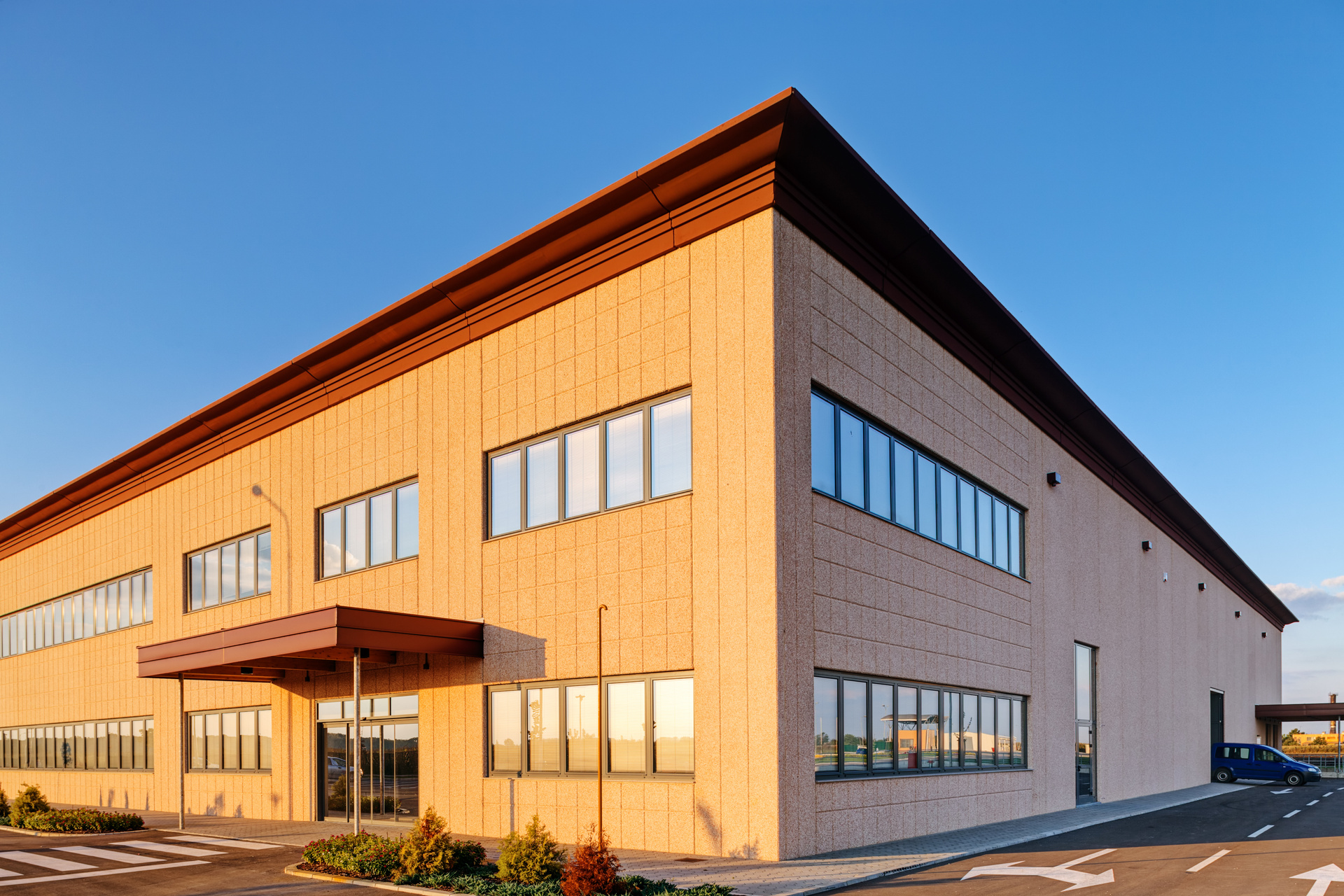
Flat and low-slope roofs are among the most common in commercial construction. Found on warehouses, retail centers, and office buildings, these systems typically rely on membranes such as TPO (thermoplastic polyolefin), EPDM (ethylene propylene diene monomer), or modified bitumen. These materials are selected for their flexibility, resistance to ultraviolet exposure, and ability to form continuous waterproof barriers. Structural decking beneath these systems is often composed of steel, concrete, or wood, depending on the building’s design and load requirements.
Drainage plays a critical role in low-slope roofing. Internal drains, scuppers, and tapered insulation systems are used to direct water away from the roof surface. Improper drainage can lead to ponding water, which increases stress on the membrane and underlying structure. For this reason, design specifications often include precise slope calculations and drainage placement to maintain performance over time.
Industrial facilities introduce additional structural considerations. Manufacturing plants, distribution centers, and processing facilities frequently require roofing systems capable of supporting heavy mechanical equipment, including HVAC units, exhaust systems, and solar arrays. Reinforced decking and additional structural supports are often incorporated into the design to distribute weight evenly. In some cases, roof systems are designed with designated equipment zones to isolate loads and simplify maintenance access.
Thermal performance is another defining factor in commercial roofing structure. Insulation layers are installed beneath the membrane to regulate interior temperatures and improve energy efficiency. Rigid board insulation, such as polyisocyanurate, is commonly used due to its high R-value and compatibility with various roofing systems. The thickness and type of insulation are determined by regional climate conditions, building usage, and energy code requirements.
Steep-slope commercial roofs, often seen on hotels, churches, and certain institutional buildings, differ significantly in structure and material. These roofs typically use shingles, metal panels, or tile systems. Unlike low-slope systems, steep-slope roofs rely more heavily on gravity for water shedding. Underlayment layers, flashing components, and ventilation systems are integrated to manage moisture and airflow. Structural framing in these buildings often includes trusses or rafters designed to support the pitch and load distribution of the roof.
Metal roofing systems are frequently used across both low-slope and steep-slope applications. Standing seam metal panels, in particular, are known for their ability to accommodate thermal expansion and contraction. These systems are attached using concealed fasteners, allowing for movement without compromising the integrity of the roof. Metal roofs are also selected for their resistance to wind uplift, making them a common choice in coastal and hurricane-prone regions.
Institutional buildings such as schools, hospitals, and government facilities often require roofing systems that balance durability with accessibility. These structures may include rooftop walkways, protective coatings, and redundant waterproofing layers to support frequent maintenance activity. In healthcare environments, roofing systems must also account for air quality considerations, ensuring that penetrations and seams are properly sealed to prevent contamination.
Green roofing systems, also known as vegetative roofs, introduce a different structural approach. These systems incorporate layers of soil, drainage mats, root barriers, and vegetation above the waterproof membrane. Structural reinforcement is essential, as the added weight of soil and water retention can significantly increase load demands. Green roofs are often used in urban environments to manage stormwater, reduce heat absorption, and provide additional insulation.
Cold storage facilities present unique challenges in roofing structure. These buildings require vapor barriers and specialized insulation systems to prevent condensation and thermal bridging. The roof assembly must maintain a consistent temperature gradient to avoid moisture accumulation within the structure. Improper design in these environments can lead to ice formation, insulation degradation, and structural damage over time.
In regions with high wind exposure, such as coastal Louisiana, roofing systems are engineered to meet strict uplift resistance standards. Fastening patterns, edge detailing, and material selection are all influenced by wind load calculations. Roof assemblies may include additional anchoring systems and reinforced perimeter zones to reduce the risk of failure during severe weather events.
Fire resistance is another consideration in commercial roofing design. Certain building types require roofing materials that meet specific fire rating classifications. These ratings are determined by the ability of the roof assembly to resist flame spread and penetration. Fire-resistant barriers and coatings are often integrated into the system to meet code requirements and enhance safety.
Maintenance access and repairability also influence how commercial roofing systems are structured. Walk pads, access hatches, and designated service areas are incorporated into the design to allow safe movement across the roof. These features help reduce wear on the primary membrane and extend the overall lifespan of the system.
Jules Albert III, owner of Jaymar Roofing in Slidell, Louisiana, provided insight into how these variables come together in practice. “Every commercial roof has to match the building it sits on. Structure, usage, and environment all play a role in how the system is designed and installed. A warehouse roof is not built the same way as a hospital or a restaurant. Each one has its own requirements, and the structure has to support that from the start.”
Commercial roofing systems continue to evolve as materials and construction methods advance. The integration of energy-efficient components, renewable energy systems, and improved waterproofing technologies reflects ongoing changes in building design. Understanding how these systems are structured across different building types provides a clearer view of the role roofing plays in long-term building performance.
Morgan Thomas
Rhino Digital, LLC
+1 504-875-5036
email us here
Visit us on social media:
Facebook
Legal Disclaimer:
EIN Presswire provides this news content "as is" without warranty of any kind. We do not accept any responsibility or liability for the accuracy, content, images, videos, licenses, completeness, legality, or reliability of the information contained in this article. If you have any complaints or copyright issues related to this article, kindly contact the author above.
